Knitwear Notes

Cozy knits that still look polished

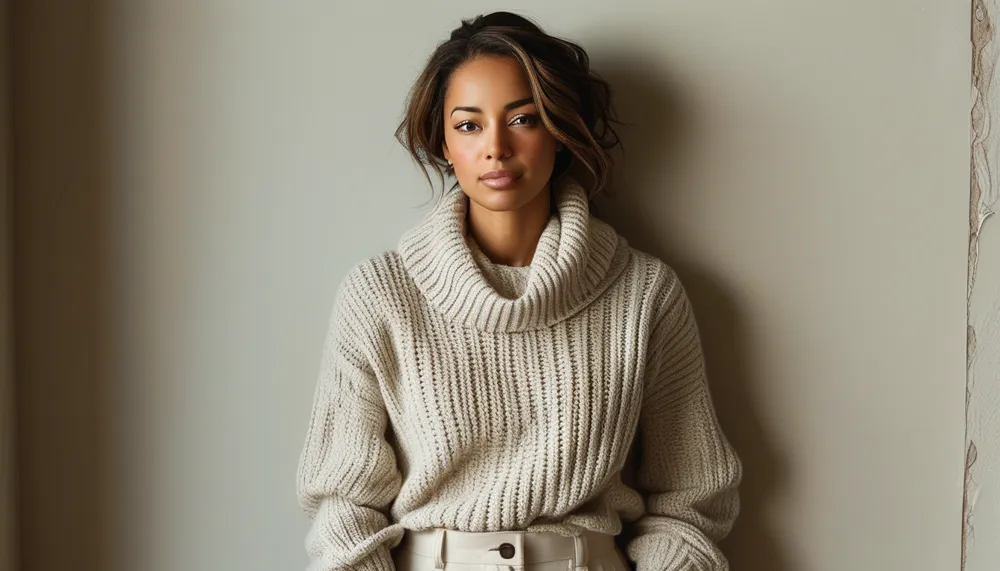
Knitwear Essentials: The Sweaters Worth Investing In

2026-07-11

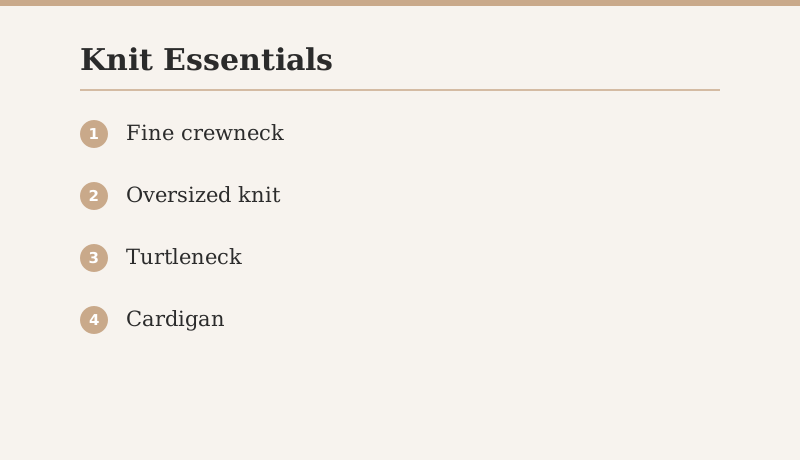
Quick Answer: Four sweaters cover a whole winter: a fine-gauge merino or cashmere crewneck, one cozy oversized knit, a fine turtleneck for layering, and a good cardigan. Buy them in natural fibers — merino, cashmere, lambswool — because they’re warmer per gram, drape better, and pill far less than acrylic.

There’s nothing quite like a genuinely good sweater. Soft, holds its shape, makes you look put-together with zero effort.

And there’s nothing quite like the other kind — the one that pills into a fuzzy mess after three wears and stretches out at the elbows by January.

The gap between the two comes down to a few specific choices. Here’s what’s worth the money.

Knitwear Essentials: The Sweaters Worth Investing In

Which Sweater Should You Buy First?

The fine-gauge crewneck. It’s the hardest-working piece in any knit drawer.

Slim enough to layer under a blazer without bulking the shoulder, polished enough to wear alone to anything short of a black-tie event. It’s the sweater you’ll reach for two or three times a week, which makes it the easiest cost-per-wear argument in your entire wardrobe.

Buy it in merino or cashmere. A good one lasts five to ten years with basic care, which changes the math on the price tag considerably.

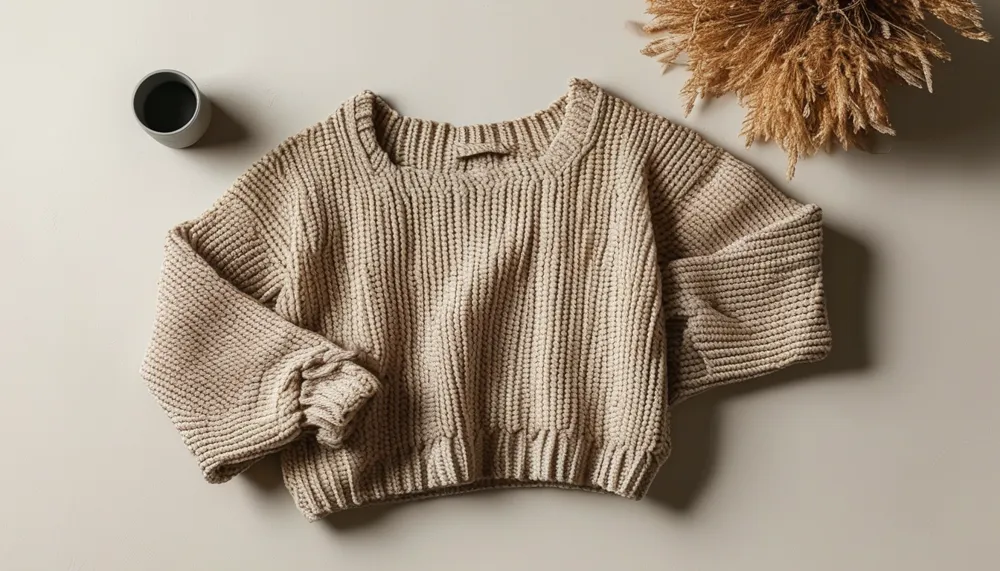
Styling flat lay

What About the Cozy One?

Every wardrobe needs one gloriously soft oversized knit. The kind you pull on with leggings or wide-leg trousers and immediately feel wrapped up in.

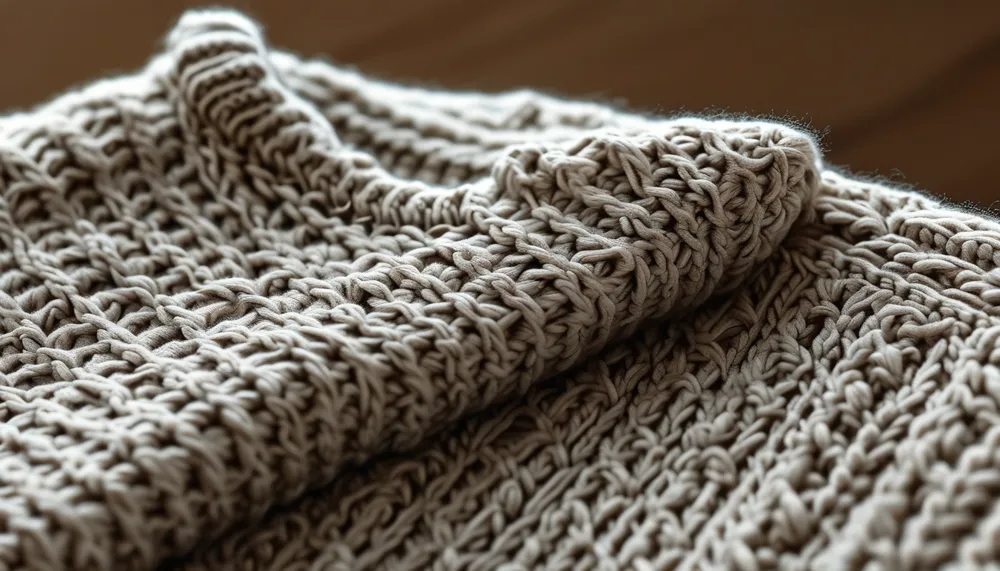
The thing to check when buying: does it keep its shape? Chunky knits are where cheap construction shows fastest — the sleeves grow, the hem droops, and by February it fits like a hammock.

Two quick tests in the shop:

  1. The stretch-and-release. Pull gently across the body and let go. Good knit springs back; poor knit stays stretched.
  2. The rub test. Rub the fabric against itself for a few seconds. If tiny pills appear immediately, they’ll appear on your elbows in a fortnight.

Point detail

Why the Turtleneck and the Cardigan?

Because they quietly multiply everything else.

A fine turtleneck is a layering genius — under dresses, under blazers, under pinafores, all winter. One turtleneck turns three sleeveless summer dresses into three winter outfits. That’s the best exchange rate in a wardrobe.

A good cardigan does double duty as a top and as a light jacket, which makes it the most useful thing you own in the shoulder seasons when a coat is too much and a shirt is not enough.

Neither is glamorous. Both get worn more than anything glamorous you own.

Why Does Fiber Matter So Much?

Because it decides everything about how the sweater ages.

Merino, cashmere, and lambswool feel better, last longer, and pill considerably less than cheap acrylic. They’re warmer for their weight — merino insulates well even when slightly damp, which acrylic doesn’t — and they drape rather than hang stiffly.

Acrylic also generates static in dry winter air, which is a small daily annoyance that adds up to a sweater you stop reaching for.

What to look for on the label: 100% merino, 100% lambswool, or cashmere blends where cashmere is the majority. Wool blended with a small amount of nylon (around 5–10%) is actually a good thing in high-wear knits — it improves durability at the cuffs and elbows.

Buy fewer, better sweaters and care for them well. They’ll reward you every winter.

Style guide

5 Mistakes Everyone Makes

  1. Hanging knitwear. Gravity stretches the shoulders into little points that never recover. Fold, always.
  2. Washing too often. Wool is naturally odor-resistant. Air it overnight between wears and wash every 4–6 wears, not every wear.
  3. Ignoring early pilling. A $12 fabric shaver run over the elbows and underarms twice a season keeps a sweater looking new for years.
  4. Buying big for coziness. An oversized fit is a cut, not a size up. Sizing up a fitted crewneck just gives you droopy shoulders.
  5. Storing knits loose over summer. Moths find them. Wash before storing (they’re drawn to body oils, not the wool itself) and use a sealed bag or box.

How Do You Actually Care for Them?

Hand wash or use the wool cycle in cool water with a wool-specific detergent. Never wring — press the water out and dry flat on a towel, reshaping while damp.

For pilling, use a battery fabric shaver rather than a razor or a sweater stone. It’s faster and it doesn’t thin the fabric.

Between wears, hang the sweater over a chair back overnight to air out before folding it away. That single habit halves how often it needs washing.

FAQ

Is cashmere worth the price over merino?

For softness and warmth per gram, yes. For durability, good merino often wins — cashmere fibers are shorter and pill more readily. A sensible split is cashmere for the piece worn against the skin and merino for the workhorse.

How do I stop a sweater from pilling?

You can’t stop it entirely on any natural fiber, but you can slow it: wash inside out on a gentle cycle, avoid abrasion from bag straps on the same shoulder daily, and de-pill twice a season with a fabric shaver.

Can I put wool in the washing machine?

Only on a dedicated wool or hand-wash cycle, cool water, with wool detergent, and only if the care label allows it. Ordinary warm cycles felt the fibers, which is permanent and dramatic.

How many sweaters do I actually need?

Four covers a winter comfortably: fine crewneck, oversized cozy knit, fine turtleneck, cardigan. Add a fifth in a strong color if your coats and coats-adjacent layers are all neutral.

TL;DR:

  • Four essentials: fine-gauge crewneck, oversized cozy knit, fine turtleneck, cardigan
  • The fine crewneck earns its keep fastest — layers under a blazer, wears alone
  • The turtleneck multiplies outfits by converting summer dresses into winter ones
  • Natural fibers (merino, cashmere, lambswool) are warmer per gram and pill less
  • A small percentage of nylon in a blend improves durability — that’s a good sign
  • Test in the shop: stretch-and-release for shape, rub test for pilling
  • Fold, never hang; wash every 4–6 wears, not every wear
  • De-pill twice a season with a fabric shaver

Buy fewer and better, fold them properly, and the knit drawer keeps you warm and pulled-together for years rather than a season.

Keep Reading

This article is for general styling and informational purposes only. Trends, sizing, availability and pricing may vary by brand and season.

← All articles