Why Knitwear Pilling Isn't Always the Fabric Quality Problem It Gets Blamed For
A pilled sweater gets treated as proof of cheap, low-quality fabric, but pilling is caused mainly by friction and abrasion during washing and wear, which means even a genuinely well-made knit can pill quickly if it’s washed or worn in ways that create excess friction.
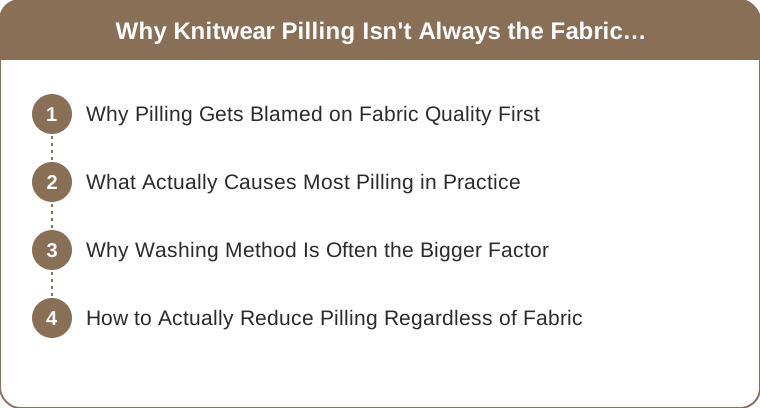
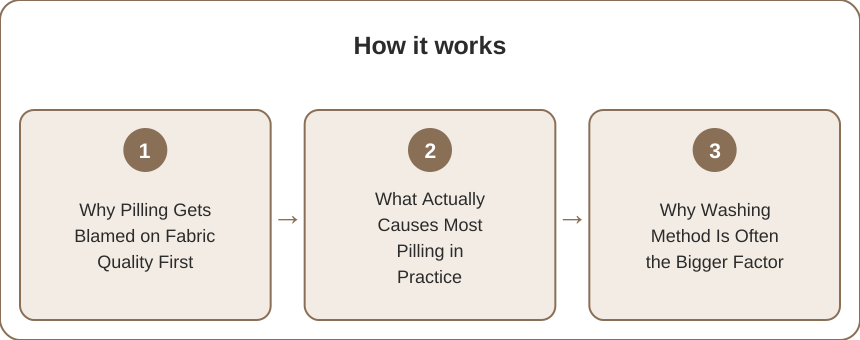
Why Pilling Gets Blamed on Fabric Quality First
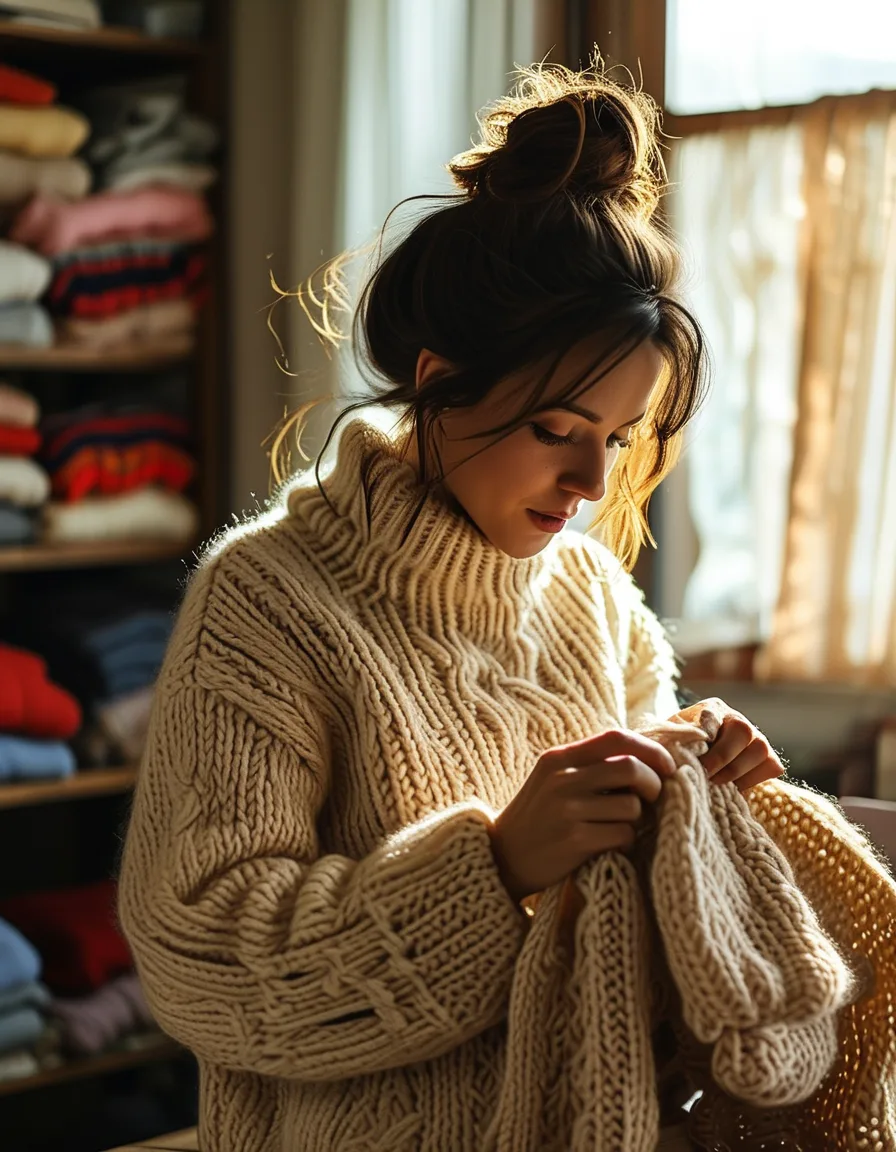
The assumption: a pilled sweater looking visibly worn and lower-quality, which makes fiber quality the obvious first suspect, especially since certain cheaper fiber blends do genuinely pill faster than others.
What Actually Causes Most Pilling in Practice
The real mechanism: pilling forming from friction and abrasion, loose fibers rubbing against themselves or against another surface repeatedly, tangling into small balls, a mechanical process that happens regardless of fiber quality if the friction is high enough.
Why Washing Method Is Often the Bigger Factor
The overlooked cause: machine washing knitwear on a regular cycle, especially with other rougher-textured garments in the same load, creating exactly the kind of repeated friction that causes pilling, even in a well-made sweater that would resist pilling under gentler care.
How to Actually Reduce Pilling Regardless of Fabric
The practical approach: hand washing or using a delicate mesh bag for machine washing, turning knits inside out, and avoiding washing them alongside rougher fabrics like denim or towels, and the frame (pilling is mainly a friction problem, not purely a fabric quality one — gentler washing habits reduce pilling on nearly any knit regardless of how it’s rated for quality.)
A pilled sweater gets treated as proof of cheap, low-quality fabric, since certain cheaper fiber blends do genuinely pill faster than others, but pilling actually forms from friction and abrasion, loose fibers rubbing against themselves or another surface repeatedly and tangling into small balls, a mechanical process that happens regardless of fiber quality if the friction is high enough, and machine washing knitwear on a regular cycle, especially alongside rougher-textured garments in the same load, creates exactly that kind of repeated friction even in a well-made sweater. Hand washing or using a delicate mesh bag for machine washing, turning knits inside out, and avoiding washing them alongside rougher fabrics like denim or towels reduces pilling on nearly any knit regardless of how it’s rated for quality, since the friction of washing, not the fiber alone, is usually the bigger factor.
Keep Reading
This article is for general styling and informational purposes only. Trends, sizing, availability and pricing may vary by brand and season.